
Command An Army Team Battle Guide
Squad roles, point-capture rotations, and formation timing that turns a random squad into a coordinated push.
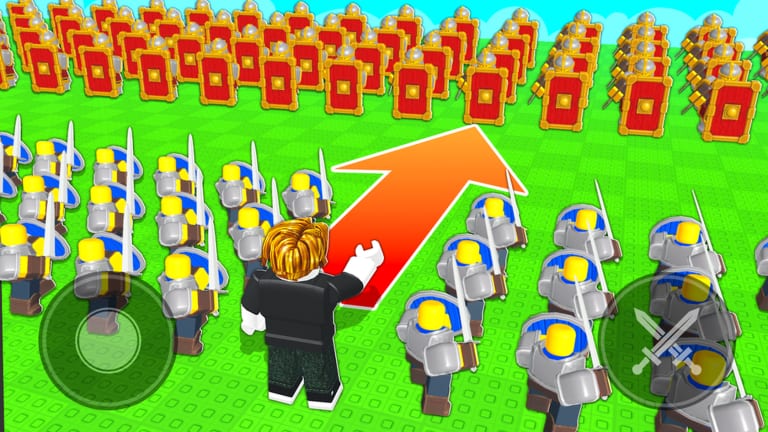
Command An Army is a team game. Twelve players per server means your personal roster is one slice of the whole. Even the best shield wall loses if your teammates do not understand rotations.
Team Roles in a 12-Player Server
Anchor (1-2 players) The anchor holds the primary defensive position. Usually runs Shieldmen-heavy compositions and focuses on point retention rather than kills.
Flanker (2-3 players) The flankers use Cavalry and mobile units to pressure enemy backlines. They wait for the anchor to engage, then hit exposed sides.
Support (2-3 players) Support players run mixed compositions with Spearmen and utility units. They fill gaps, respond to enemy movements, and reinforce weak positions.
Rusher (1-2 players) The rusher focuses on uncontested point captures. Uses Rush formation to grab objectives before enemies can respond.
Shot-caller (variable) Every good team has someone making calls. This can be any role but requires game knowledge and communication.
Point Capture Rotations
Primary point (A) The most contested objective. Requires anchor presence at all times. Rotations should prioritize keeping A occupied.
Secondary point (B) Often less contested but provides map control. Rusher and flanker focus here while anchor holds A.
Tertiary point (C) Used for split-push strategies or emergency captures when primary and secondary are contested.
Rotation timing:
- Never leave primary unattended for more than 5 seconds
- rotate in pairs when possible for safety
- Call rotations in chat so teammates know
Formation Timing as a Team
Opening formation (0:00-0:30) Most teams use Hold at the start. Set up defensive positions before committing.
Pressure phase (0:30-1:30) Once positions are established, coordinate Attack orders. A synchronized push overwhelms scattered defenses.
Mid-game adjustments (1:30-3:00) Teams start reading each other. Formation swaps become critical. Watch for enemy Hold-to-Attack transitions.
End-game (3:00+) Focus becomes absolute. Do not overcommit if winning. If losing, coordinate one concentrated push.
Communication Without Voice Chat
Text chat works for randoms:
Pre-round calls:
- I will hold A - claiming anchor role
- Taking B with rusher - coordinating with another player
- Need backup at A - requesting support
Mid-match calls:
- Enemy heavy left - warning of flanking
- Flanker pushing B - coordinating pressure
- Rotating to C - communicating your movement
Reminder: Keep calls short. Single words work faster than explaining the whole situation.
Drafting Your Team Composition
When queuing with friends:
Minimum viable team:
- 1 anchor (Shieldmen-focused)
- 1 flanker (Cavalry-focused)
- 1 support (Spearmen and mixed)
This three-person core can hold against most compositions.
Optimal team:
- 2 anchors
- 2 flankers
- 1 support
- 1 rusher
- Shot-caller can dual-class
Counter-Coordination
When the enemy team coordinates:
Against anchor focus:
- Flank harder from other angles
- Use rusher to capture secondary
- Force anchor to split attention
Against flanker pressure:
- Anchor pulls back slightly
- Support screens for flanking routes
- Do not chase flankers away from points
Against rusher strategy:
- Track spawn timing
- Position one player to intercept rushes
- Do not overcommit to defending rush
When Your Team is Losing
Assessment phase:
- Identify which roles are missing or weak
- Adjust your own composition to fill gaps
- Call a regroup if most players are alive
Recovery options:
- Concentrate forces on one point rather than spreading
- Wait for enemy mistakes
- Assign someone to defend while others attack
Never do:
- Blame teammates in chat
- Surrender individual fights out of frustration
- Give up and go AFK
Playing with Randoms vs Playing with Friends
Randoms:
- Keep calls simple and direct
- Fill roles that are not covered
- Do not expect coordination
- Be the shot-caller if nobody else is
Friends:
- Establish roles before queuing
- Practice rotation timing
- Develop coordinated strategies
- Debrief after matches to improve
The Shot-Caller Mindset
Good shot-calling:
- Reads the entire battlefield, not just your position
- Calls rotations 5-10 seconds before needed
- Adapts to enemy positioning
- Keeps communication brief
- Takes responsibility for losses
Your call does not need to be perfect. It needs to be decisive. A wrong call executed together beats no call with scattered individuals.
Frequently Asked Questions
Quick answers for codes, troops, and match setups.
How many roles should a team have?
Minimum viable team needs 3 roles: anchor (Shieldmen), flanker (Cavalry), and support (Spearmen). Optimal is 6 with dedicated rusher.
How do I coordinate with random teammates?
Use short text calls like Holding A or Need backup. Keep calls brief and direct. Be the shot-caller if nobody else is.
What do I do when my team is losing?
Concentrate forces on one point, wait for enemy mistakes, and do not blame teammates. Never go AFK.
Should I play differently with friends vs randoms?
With friends: establish roles before queuing and practice coordination. With randoms: keep calls simple, fill gaps, and be decisive.